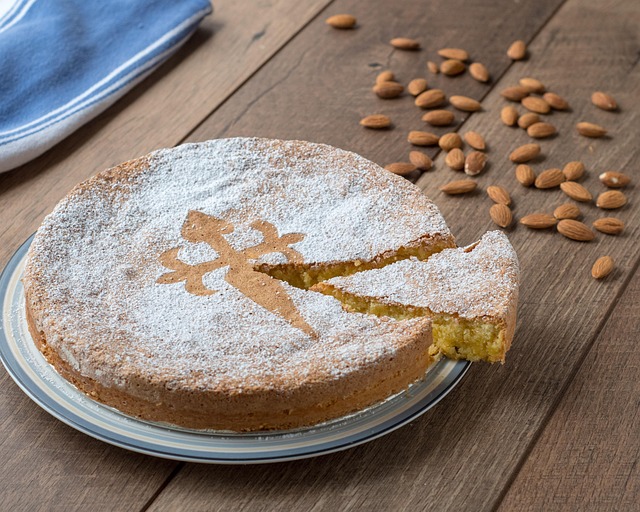
A brief history of the Tarta Santiago
Tarta de Santiago is an iconic dessert deeply rooted in Galician culture and a significant symbol of Galician gastronomy in northwestern Spain. Its origins date back to the Middle Ages, when sweets began to be made using almonds, a staple ingredient in the region’s cuisine. Over the centuries, the tart evolved into the delicious dessert we know today.
The figure of Saint James the Apostle, patron saint of Spain and Galicia, plays a crucial role in the history of this cake. The Tarta de Santiago is traditionally decorated with the Cross of Saint James, which not only gives it a distinctive appearance but also connects it to the rich cultural tradition surrounding the apostle. Every year, thousands of pilgrims walk the Camino de Santiago, and the cake has become a specialty offered as a tribute to the saint and as a treat that visitors shouldn’t miss.
One of the most notable features of Tarta de Santiago is that it’s a gluten-free dessert, thanks to its preparation using primarily ground almonds instead of wheat flour. This allows even those following a gluten-free diet to enjoy its exquisite flavor. Over time, the cake has gained popularity beyond Galicia, becoming a classic at various celebrations and festivals both in the region and throughout the rest of Spain.
Today, Tarta Santiago not only represents a reminder of the rich Galician history and culture, but also reflects the ability of gastronomy to adapt and evolve, keeping alive traditions that are a fundamental part of a people’s identity.
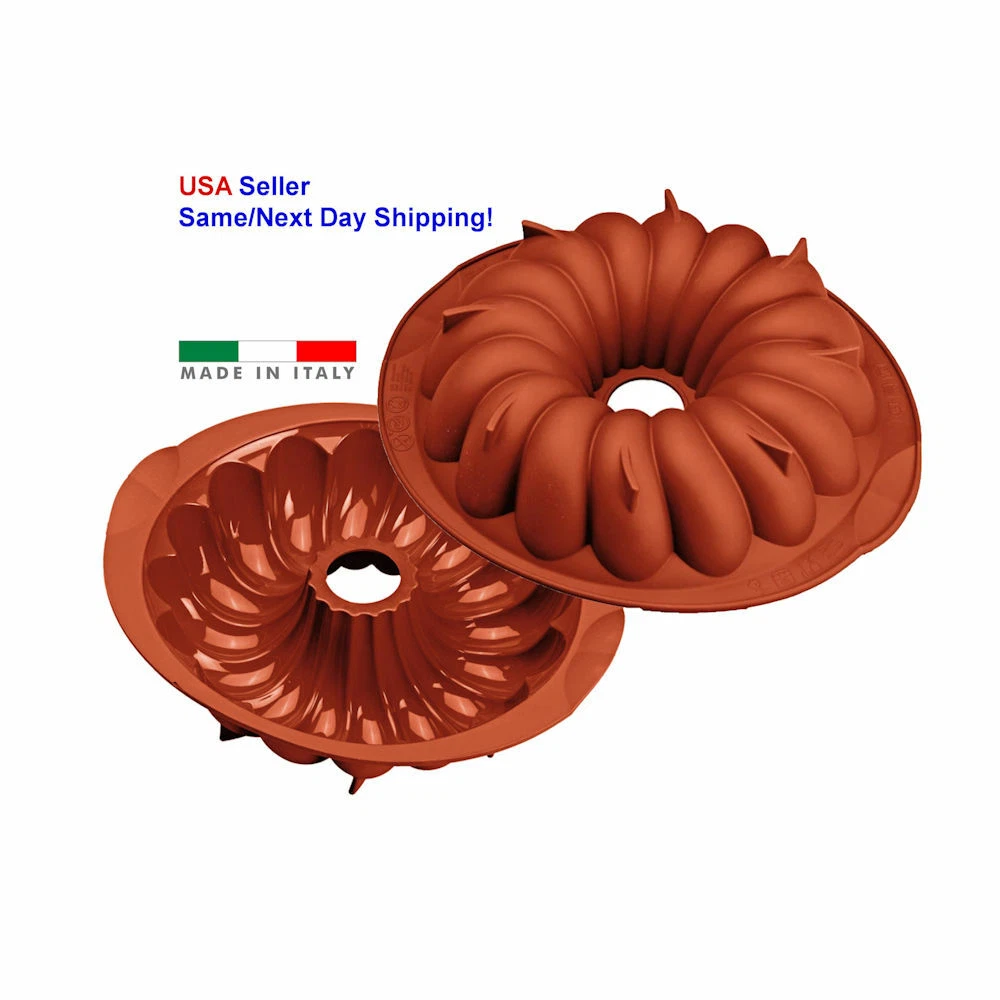
Savarin / Ciambella Pan Mold, Commercial Grade, Made in Italy
*Some prices may have changed since the last review.

Tree MRB-1200 Compact Digital Table Top Bench Scale AC Powered 1200 Gram x 0.1g

New KitchenAid Classic Series 4.5 Quart Tilt-Head Stand Mixer K45SS, White
Classic Santiago Cake Recipe: Ingredients and Preparation
Tarta de Santiago, an iconic Galician dessert, is easy to prepare and requires few ingredients. The classic recipe for this cake consists primarily of ground almonds, sugar, eggs, and a touch of lemon. To prepare this delicious cake, the ingredients and steps are listed below.
Ingredients:
- 200 grams of ground almonds
- 200 grams of sugar
- 4 large eggs
- One lemon (its zest and a little of its juice)
- A pinch of salt
- Flour for greasing the mold
- Icing sugar for decorating
Preparation:
- Preheat the oven to 180°C. Grease and flour a 24cm diameter round cake tin, ensuring that it will unmold easily after baking.
- In a large bowl, mix the ground almonds with the sugar, ensuring that all the dry ingredients are well combined.
- In another bowl, whisk the eggs together with the lemon zest and a pinch of salt. It is essential that the liquid ingredients are well combined before adding them to the dry ingredients.
- Pour the egg mixture into the bowl containing the almonds and sugar. Add a squeeze of lemon juice for a touch of freshness and mix everything with a spatula or hand whisk, avoiding the formation of air bubbles.
- Once the mixture is smooth, pour it into the prepared pan and bake for approximately 30 to 35 minutes, or until the surface is golden brown and a toothpick inserted into the center comes out clean.
- Once baked, remove from the oven and let cool before unmolding. Decorate with powdered sugar before serving.
With this classic Santiago Cake recipe, achieving a fluffy texture and authentic flavor is possible. Remember that the quality of the ingredients significantly influences the final result, so opt for fresh almonds and reliable sources of lemon.
Varieties of Tarta Santiago and their evolution today
Tarta de Santiago is a traditional Galician dessert that has evolved over time. Originally, this delicious cake is characterized by its simple yet exquisite almond flavor and its distinctive symbol of the Apostle Saint James on top. However, in recent years, various adaptations and reinterpretations have emerged, reflecting current trends in pastry making.
One of the most popular variations of Tarta de Santiago is the modern version that incorporates other flavors, such as chocolate or citrus, which add a new dimension to the classic dessert. Some chefs have begun experimenting with alternative ingredients, adding a touch of innovative creativity that appeals to a wider audience. For example, the chocolate Tarta de Santiago, which blends the essence of almond with the richness of cocoa, has gained immense popularity among lovers of contemporary pastry.
Furthermore, it’s important to note that the trend towards more inclusive options has also had a significant impact. Vegan and gluten-free versions of Tarta de Santiago are now readily available, making this traditional dessert accessible to people with diverse dietary needs. These versions typically use alternative flours and egg substitutes, maintaining the characteristic flavor and texture of the original recipe.
Today’s chefs are therefore reinterpreting the Tarta de Santiago with an approach that prioritizes both tradition and innovation. This fusion of classic and contemporary not only pays homage to the rich history of this dessert but also ensures its relevance in a constantly evolving culinary world. Thus, the Tarta de Santiago continues to be a symbol of Galician culture and a delight for today’s diverse palates.
:background_color(white)/hotmart/product_pictures/85ecd62a-2e40-49da-b367-27e2a0805038/cakedecorator.png?w=920)
Become a Professional Cake Decorator

19 In. 0.9 Cu. Ft. 900-Watt Countertop Microwave Oven in Stainless Steel

12L Toaster Oven Powerful 800W Bake Grill Broil Toast Timer Temp & Heat Selector
“Some links on this page are affiliate links. And they could bring a financial benefit to Heavenlyflavor.site at no additional cost to you.”
Preservation and storage of the Tarta de Santiago
Tarta de Santiago, an iconic dessert renowned for its delicious flavor and rich history, requires special attention during preservation and storage to ensure it remains fresh and flavorful for as long as possible. It is essential to consider environmental conditions and the product’s shelf life under different scenarios.
At room temperature, Tarta de Santiago can be stored for 3 to 4 days. It is essential to keep the dessert in a cool, dry place, away from direct sunlight and heat sources. To prolong its freshness, it is recommended to cover the cake with a clean cloth or store it in an airtight container, which will help prevent it from drying out or absorbing unwanted odors.
If you want to extend the shelf life of the cake, refrigerating it is an excellent option. In this case, it can last between 5 and 7 days. It should be stored in a sealed container to prevent moisture loss. Refrigeration not only helps preserve the quality of the cake but also enhances the flavors by allowing the ingredients to meld together better. When ready to serve, simply cut slices and let them rest at room temperature for a few minutes, allowing them to soften slightly.
Finally, if you plan to keep the Tarta de Santiago for a longer period, freezing is the best option. This storage method allows the cake to maintain its quality for up to 3 months. To freeze it properly, it’s advisable to wrap it in plastic wrap and then place it in an airtight bag. When you’re ready to eat it, simply let it thaw for a few hours in the refrigerator and you can warm it slightly in the oven to serve it lukewarm, which will bring out its rich flavor again.